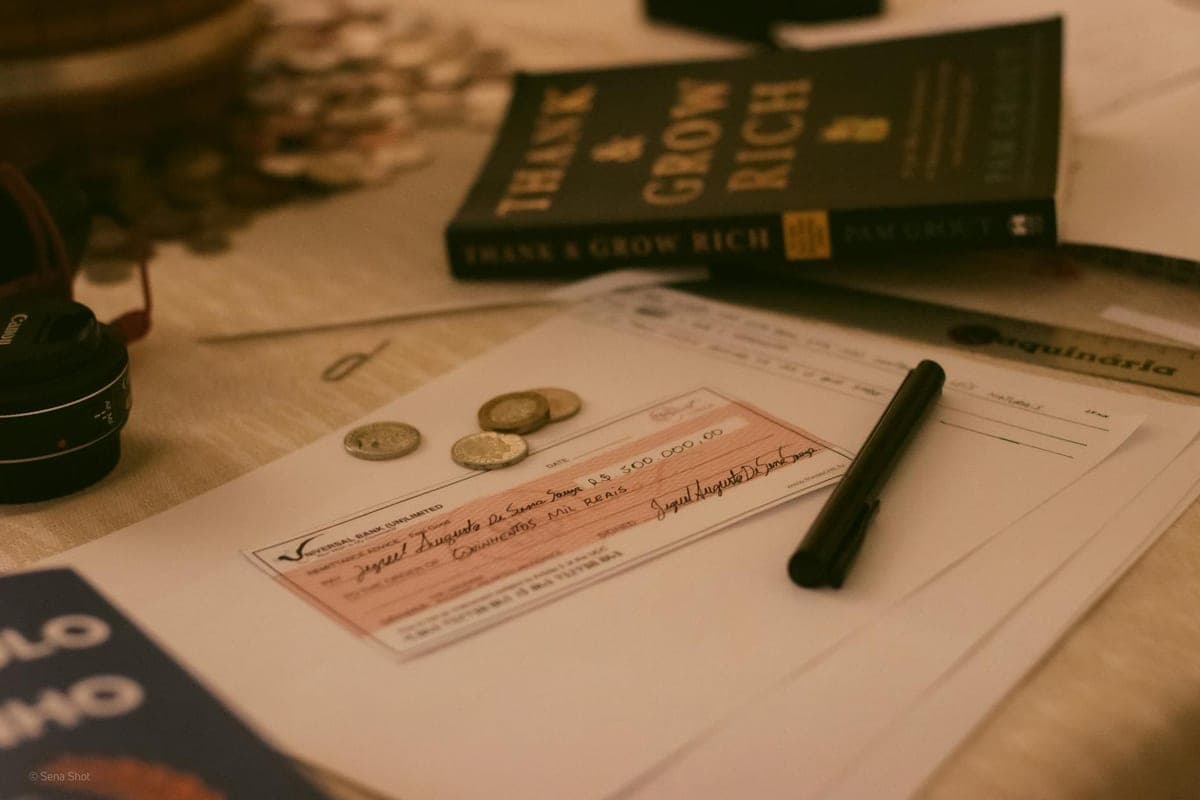
A cheque for ₹8 lakh returned unpaid. The bank memo arrives. The payee calls the drawer, who promises to arrange funds. Three weeks pass. Nothing. By the time the payee consults a lawyer, the statutory window to issue the demand notice has either passed or is almost gone — and a cheque bounce case under Section 138 of the Negotiable Instruments Act lives or dies on whether the timelines were followed precisely.
Section 138 of the NI Act creates a criminal offence where a cheque is dishonoured for insufficiency of funds (or where the amount exceeds the account balance or arrangement with the bank). The offence carries a term of imprisonment up to two years, or a fine up to twice the cheque amount, or both. But the offence only crystallises if the payee triggers the statutory process correctly and within the prescribed windows.
The 30-15-30 timeline — no flexibility
The statute imposes three linked deadlines. Miss any one, and the complaint is not maintainable.
- Step 1 — Present the cheque within its validity period: three months from the date on the cheque, per the RBI directive in force since 1 April 2012. A cheque presented after it has lapsed, and then returned, is not a Section 138 case.
- Step 2 — Receive the return memo from the drawee bank. The clock starts from the date on this memo, not from the date you learn of the dishonour.
- Step 3 — Issue a statutory demand notice to the drawer within 30 days of receiving the return memo. The notice must demand payment of the cheque amount and must be sent in writing. Speed-post to the drawer's last known address is the standard method. Retain the acknowledgement.
- Step 4 — Allow the drawer 15 days from receipt of the notice to make payment. If payment is received in full within this period, the liability under Section 138 is extinguished.
- Step 5 — If payment is not received within 15 days of the drawer receiving the notice, the payee must file the complaint in court within one month of the expiry of that 15-day window (Section 142(b)).
The 30-day notice window and the 15-day payment window are strict and cannot be extended — issue the demand notice on day 32 instead of day 30, and the complaint is likely to fail on limitation. The window to file the complaint is also short, but the proviso to Section 142(b) lets the Magistrate condone a delayed filing where the complainant shows sufficient cause. Do not rely on that discretion: treat every deadline as firm. The Supreme Court has consistently held that Section 138 is a complete code to be followed strictly.
Jurisdiction — where to file after the 2015 amendment
Before 2014, there was substantial confusion about which court had jurisdiction — the court at the place where the cheque was presented, where it was drawn, or where the demand notice was issued. A three-Judge Bench of the Supreme Court in Dashrath Rupsingh Rathod v. State of Maharashtra (2014) held that jurisdiction lay only where the drawee bank's branch was situated — the branch on which the cheque was drawn. That position no longer represents the law.
Parliament reversed Dashrath Rupsingh through the Negotiable Instruments (Amendment) Act, 2015, which substituted Section 142(2) and inserted Section 142A. Under the current rule, where a cheque is delivered for collection through an account, the case lies before the court within whose limits the branch of the bank in which the payee or holder in due course maintains the account is situated. For Bangalore complainants this means: if you deposited the cheque for collection at your own bank's Koramangala branch, the complaint is filed before the Metropolitan Magistrate having jurisdiction over Koramangala — regardless of where the drawer lives or where the drawer's bank is held. Filing in the wrong court is a defect that can be raised by the drawer and results in the complaint being transferred or dismissed.
What the complainant must establish
Understand your immediate steps.
In a criminal matter the early decisions — anticipatory bail, the right response to a notice — have consequences that are difficult to reverse later. WhatsApp the details and we will explain what applies to your situation.
How our criminal law worksThe prosecution in a Section 138 case rests on proving: the cheque was drawn on an account maintained by the drawer, the cheque was presented within validity, the cheque was dishonoured, the demand notice was issued within 30 days of the return memo, the notice was received by the drawer, and payment was not made within 15 days of receipt. Once these elements are established from the complainant's evidence, the burden shifts to the drawer under Section 139 — it is presumed that the cheque was issued for a legally enforceable debt or liability. The drawer must rebut this presumption.
What the drawer can argue in defence
The Section 139 presumption is rebuttable but requires a positive case, not merely denial. Defences that have succeeded before courts include: the cheque was a security deposit and never intended to be presented; the debt or liability claimed by the complainant did not legally exist at the time the cheque was issued; the cheque was issued under coercion or fraud; or the underlying transaction was illegal. Each of these requires evidence — oral testimony, correspondence, account entries — not a bare assertion.
A drawer who receives a demand notice should not ignore it or respond informally. A written reply denying the debt, sent within the 15-day window and articulating the specific basis of dispute, creates a contemporaneous record. It does not discharge the liability, but it seeds the defence record that will be needed if the complainant proceeds.
The demand notice — what it must say
No prescribed format exists for the Section 138 demand notice. Courts have held, however, that the notice must communicate that the cheque was dishonoured and demand that the drawer pay the cheque amount within 15 days of receiving the notice. A notice that mentions the dishonour but does not demand payment, or that demands a different amount from the cheque, has been held defective. The notice must be addressed to the drawer — where the drawer is a company, it should be addressed to the company and to the directors who signed the cheque. Sending the notice only to the company and filing only against the company, without noticing the signatories, creates a gap that the defence will exploit.
Multiple cheques — one complaint or many?
Where several cheques have been dishonoured in a series, each dishonoured cheque creates a separate cause of action under Section 138. The 30-day demand notice window runs independently for each return memo. A complainant who bundles all dishonoured cheques into a single demand notice issued after the last return memo may find that the notice was out of time for the earlier cheques. The safe approach is to issue a separate notice for each return memo within 30 days of its receipt.
Whether you are a payee looking to file a complaint or a drawer who has received a demand notice in Bangalore, the time to act is immediately. WhatsApp the details to +91 63637 45780 and we will explain the step that applies to your position.
Understand your immediate steps.
In a criminal matter the early decisions — anticipatory bail, the right response to a notice — have consequences that are difficult to reverse later. WhatsApp the details and we will explain what applies to your situation.